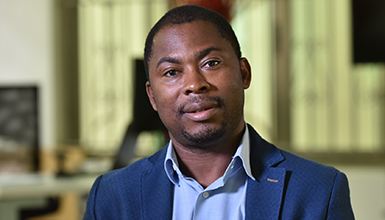
Mark Dean: Innovator Behind the Personal Computer Revolution

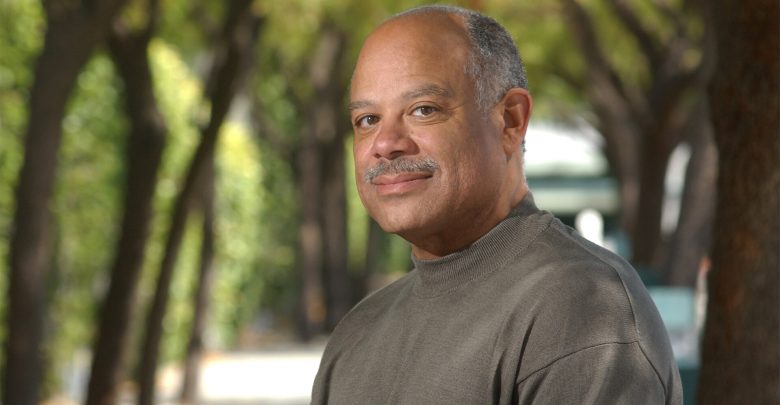
Mark E. Dean was born on March 2, 1957, in Jefferson City, Tennessee. From a young age, Dean showed an exceptional talent for mathematics and science, which was nurtured by his supportive family. His father, a dam supervisor for the Tennessee Valley Authority, and his mother, a teacher, encouraged his interests in engineering and technology.
Dean attended Jefferson City High School, where he excelled academically, particularly in mathematics. His passion for engineering led him to enroll at the University of Tennessee, where he earned a Bachelor of Science degree in electrical engineering in 1979. Determined to further his education, Dean pursued a Master’s degree in electrical engineering at Florida Atlantic University, which he completed in 1982.
After completing his education, Mark Dean joined IBM as an engineer, a position that would define his career and lead to groundbreaking innovations. Dean’s most notable contributions came during his time at IBM, where he was a key figure in the development of the personal computer (PC).
In the early 1980s, Dean co-led the team that designed the IBM PC, which revolutionized computing and made personal computers accessible to a broader audience. Dean played a pivotal role in developing the Industry Standard Architecture (ISA) bus, a crucial component that allowed multiple devices like printers, modems, and keyboards to be connected to a computer. This innovation made it easier for users to expand and customize their PCs, contributing significantly to the PC’s success.
Dean’s work didn’t stop there. He also holds three of the original nine patents for the IBM PC, reflecting his critical role in its creation. Throughout his career, Dean continued to push the boundaries of technology, eventually leading the design of the first gigahertz (1 GHz) chip. This chip could process a billion calculations per second, a milestone that marked a significant leap in computer processing power.
In 1995, Dean earned a Ph.D. in electrical engineering from Stanford University, further solidifying his reputation as a leader in the field. His research and innovations extended beyond personal computing, influencing areas such as network computing and data storage.
As an African American engineer in a predominantly white and often racially segregated industry, Mark Dean faced significant challenges. However, he overcame these obstacles through his exceptional skill, innovation, and perseverance. His work at IBM not only earned him recognition within the company but also made him one of the most influential figures in the history of computing.
Dean has been awarded numerous honors for his contributions to technology, including being named an IBM Fellow in 1995, the highest technical honor given by the company. He was also inducted into the National Inventors Hall of Fame and holds more than 20 patents.
Mark Dean’s influence extends beyond his technical contributions. He has been an advocate for diversity in engineering and technology, often speaking about the importance of inclusion and the challenges faced by underrepresented groups in the industry.
After leaving IBM, Dean continued his career in academia and research. He became the John Fisher Distinguished Professor at the University of Tennessee, where he focused on advancing computer technology and mentoring the next generation of engineers.
Mark Dean is celebrated as a pioneering African American inventor and engineer whose work has had a lasting impact on the world of technology. His contributions to the development of the personal computer and advancements in computer processing power have shaped the digital age. Dean’s legacy is not only in the devices we use today but also in the inspiration he provides to aspiring engineers and inventors, particularly those from underrepresented backgrounds. He remains a symbol of innovation, perseverance, and the transformative power of technology.